
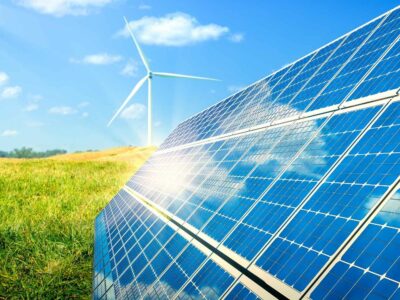
 In recent years, the demand for renewable energy sources has surged, driven by the need to reduce carbon emissions and mitigate climate change. Among the various renewable energy technologies, solar energy stands out as one of the most promising alternatives. Central to harnessing the power of the sun is solar cells or solceller, which convert sunlight into electricity. In this article, we will explore what solar cells are, how they work, their types, and the benefits they offer for both residential and commercial applications.
What Are Solar Cells?
Solar cells, also known as photovoltaic (PV) cells, are devices that capture sunlight and convert it into electricity through a process called the photovoltaic effect. Solar cells are typically made from semiconductor materials, such as silicon, which allow them to absorb sunlight and generate electrical energy. When sunlight hits the surface of a solar cell, the energy excites the electrons in the semiconductor material, causing them to move and generate an electric current.
Solar cells can be used to power a wide range of devices, from small gadgets to large-scale solar power plants. Their versatility, scalability, and low environmental impact make them an essential part of the transition to sustainable energy.
How Do Solar Cells Work?
Solar cells work based on the principle of the photovoltaic effect. Here’s a step-by-step breakdown of how they operate:
- Absorption of Light: When sunlight strikes the surface of a solar cell, the photons (light particles) are absorbed by the semiconductor material.
- Excitation of Electrons: The absorbed photons excite the electrons in the semiconductor material, giving them enough energy to break free from their atoms.
- Electron Movement: The freed electrons move through the material, creating an electric current. This flow of electrons generates direct current (DC) electricity.
- Electricity Generation: The electric current flows through metal contacts on the solar cell and is collected as usable electricity.
- Conversion to AC Power: Since most appliances use alternating current (AC), the DC electricity generated by solar cells is often converted into AC using an inverter.
Types of Solar Cells
There are three main types of solar cells, each with its unique features, efficiencies, and applications. These include monocrystalline, polycrystalline, and thin-film solar cells.
1. Monocrystalline Solar Cells
Monocrystalline solar cells are made from a single crystal structure of silicon, making them the most efficient type of solar cell. These cells have a high energy conversion efficiency, typically ranging from 18% to 22%. Monocrystalline solar panels are known for their sleek, dark appearance and are commonly used in residential and commercial solar installations.
Advantages:
- High efficiency
- Long lifespan (typically 25+ years)
- Space-efficient due to their higher energy output
Disadvantages:
- Higher cost compared to other types of solar cells
- Manufacturing process is more complex
2. Polycrystalline Solar Cells
Polycrystalline solar cells are made from silicon crystals that are melted together, creating multiple smaller crystals. These cells are less efficient than monocrystalline cells, with efficiency rates between 15% and 18%.
Advantages:
- Lower cost compared to monocrystalline solar cells
- Environmentally friendly manufacturing process
Disadvantages:
- Lower efficiency, requiring more space for the same energy output
- Less aesthetic appeal due to their bluish hue
3. Thin-Film Solar Cells
Thin-film solar cells are made by depositing one or more layers of photovoltaic material onto a substrate such as glass, plastic, or metal. These cells are lightweight, flexible, and can be integrated into a variety of surfaces, including building materials.
Advantages:
- Flexible and lightweight
- Can be used in a wide range of applications (e.g., solar roofing, solar windows)
- Lower manufacturing cost
Disadvantages:
- Lower efficiency (typically 10% to 12%)
- Require more space for large-scale energy production
Benefits of Solar Cells
The adoption of solar cells offers numerous benefits, not only for individuals and businesses but also for the planet. Let’s take a closer look at the key advantages of solar cells:
1. Environmental Sustainability
Solar energy is a clean, renewable resource. By generating electricity from sunlight, solar cells help reduce the reliance on fossil fuels, which are major contributors to air pollution and greenhouse gas emissions. The use of solar energy can significantly lower the carbon footprint, making it an essential technology in the fight against climate change.
2. Cost Savings
Although the initial installation cost of solar panels can be high, solar energy can lead to significant long-term savings on electricity bills. With solar panels, homeowners and businesses can generate their own electricity, reducing their dependence on grid power. In many cases, excess energy generated can be sold back to the grid, providing an additional source of income.
3. Energy Independence
Solar cells allow individuals and businesses to become less reliant on external energy sources. By installing solar panels, you can generate your own electricity, providing greater energy security and reducing the impact of rising utility prices.
4. Low Maintenance
Once installed, solar panels require very little maintenance. With no moving parts, they are durable and can last for 25 years or more with minimal upkeep. Regular cleaning and occasional inspections are typically all that is required to keep solar panels in optimal condition.
5. Increased Property Value
Homes and buildings with solar panels often experience an increase in property value. Many homebuyers are willing to pay a premium for properties with solar energy systems, as they recognize the potential for long-term savings on energy costs.
Applications of Solar Cells
Solar cells have a wide range of applications, both on a small scale and for large-scale energy production. Here are some key areas where solar cells are making a significant impact:
1. Residential Solar Power Systems
Many homeowners are choosing to install solar panels on their roofs to reduce energy costs and contribute to a cleaner environment. With the right system, homeowners can generate enough electricity to power their homes, including heating, cooling, lighting, and appliances.
2. Commercial and Industrial Solar Installations
Businesses, large and small, are increasingly adopting solar energy to cut costs and improve sustainability. From small office buildings to large factories, solar panels can be installed on rooftops or large ground-mounted arrays to generate power.
3. Solar Farms
Large-scale solar farms use thousands of solar cells to generate massive amounts of electricity that can be fed into the grid. These solar farms are typically located in sunny areas, where they can maximize energy production and help meet the energy demands of surrounding communities.
4. Solar-Powered Devices
Solar cells are used to power small devices, such as calculators, lights, and water pumps. These devices typically use low amounts of energy and are ideal for solar power generation.
The Future of Solar Cells
The future of solar cells is promising, with advancements in technology and manufacturing processes expected to lead to more efficient and affordable solar solutions. Researchers are exploring new materials, such as perovskite solar cells, which could revolutionize the industry by offering even higher efficiency and lower production costs.
Additionally, the integration of solar cells into building materials (e.g., solar windows, solar roofs) is likely to become more widespread, further increasing the adoption of solar energy.
Conclusion
Solar cells play a pivotal role in the global shift toward sustainable energy. With the ability to harness the power of the sun, solar cells provide a clean, renewable, and cost-effective solution to meet the world’s growing energy needs. As technology continues to advance, solar cells will become even more efficient and accessible, making solar energy a cornerstone of a greener, more sustainable future.