Australian consumers utilise various devices during the buyer’s journey. A customer might come across a product on the phone, and compare options through a laptop, but ultimately, finish the sale later. Responsive design, therefore, becomes imperative for retailers in 2026.
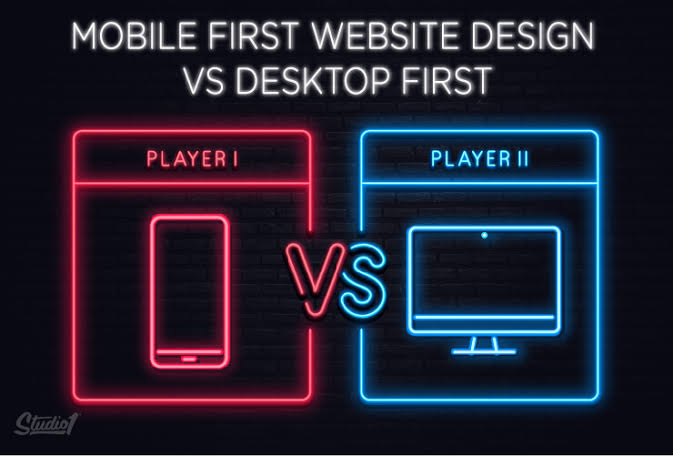
The question is, however: should retailers design for mobile first or desktop first? Whether this will be an impactful feature or not is relative to customer behaviour and the nature of product & how customers go about exploring the site.
What is Mobile-First Design?
Mobile-first design starts from the smallest screen. Designers begins with most important content, basic navigation, and quick loading before improving the experience for larger screens.
Such a method is effective when customers make use of smartphone devices to browse extensively. It also urges retailers to eliminate the unnecessary bells and whistles that can complicate shopping.
An effective mobile design needs to ensure that you can easily accomplish actions like:
- Searching for products
- Checking prices
- Adding items to a cart
- Viewing delivery information
- Completing checkout
A seasoned ecommerce web development firm can integrate these features into a responsive store without compromising usability on desktop.
What Does Desktop-First Mean?
A desktop-first design starts from a bigger screen. Designers get more real-estate for product images, menus, filters, and other detailed contextual info here.
It is a great approach in case you are a retailer selling complex products. You might need to check specs, read it out in detail, or use advanced filter options before buying it.
But squeezing a desktop website down for mobile solves nothing. It may lead to menus which are hard to navigate, buttons that feel too small and critical information being buried somewhere.
The Importance of Mobile for Australian Retailers
Smartphones have come to dominate online shopping. As the internet revolutionises the eCommerce sector, customers also expect websites to function quickly in less time and work without wiping out any data, even on smaller screens.
If they end up with a lagging or muddled mobile experience, shoppers can abandon their shopping before getting to checkout.
This means that mobile retailers should test any aspect of the shopping journey that is important enough. The product pages, search, filters, cart, and payment − these are all included.
It’s not only about a single device, businesses investing in ecommerce web development Melbourne should also ensure that their sites are responsive across different screen sizes.
Does Desktop Still Matter?
Absolutely. Desktop shopping has not disappeared.
For more high-ticket purchases or product research, there are customers who want larger screens. Business buyers may even use desktops during working hours.
To retailers, desktop is never an afterthought. Be sure to have product images; comparison tools, and detailed descriptions displayed properly on larger displays.
You do not want to pick one or the other device. The goal is to ensure a seamless experience across both.
What Design Approach Retailers Should Adopt?
Most retailers should think of mobile-first on responsive desktop, prioritise core mobile-first shopping journey, then build out the experience for bigger screens.
Crucial Areas to Focus on:
- Fast loading of page
- Easy navigation
- Clear CTA (call-to-action)
- Images of responsive product
- Simple checkout
- Accessible menus, as well as forms
An e-commerce web development firm can check these features with different devices and fix bug before they impact customer.
The Bottom Line
Mobile-first design remains paramount to Australian retailers in 2026 but desktop still covers part of the picture. Since customers move from device to device, retailers should offer a seamless experience wherever they are.
Don’t think about mobile and desktop as alternatives − create the core experience for mobile and then take advantage of the larger displays.
Ecommerce web development in Melbourne allows retailers to create an inherently fast, flexible, and easy-to-use eCommerce web design that works hard to support customers however they choose to shop.